Gentle therapy to support circulation, recovery and wellbeing.
Manual Lymphatic Drainage (MLD) uses slow, rhythmic touch to support your body’s lymphatic system – easing swelling, encouraging recovery after surgery or injury, and inviting deeper rest.
What is
manual lymphatic drainage (MLD)?
Manual lymphatic drainage (MLD) is a very gentle, rhythmic form of massage that supports the natural flow of lymph fluid through the body. This treatment is designed to ease swelling, puffiness and feelings of heaviness in the tissues by working with the superficial lymphatic system just beneath the skin.
Instead of deep pressure, treatment uses light, specific hand movements that can be suitable after certain surgeries, injuries or periods of immobility. The aim is to encourage better drainage, support comfort and help your body to naturally process fluids in the soft tissues.
What can manual lymphatic drainage help with?
Manual lymphatic drainage (MLD) is a gentle, rhythmic technique that supports lymph flow and fluid balance. It can be used on its own or as part of a wider plan agreed with your medical or rehabilitation team.
Post-surgical or post-injury swelling
MLD can support healing after surgery or injury by helping to reduce swelling around joints and soft tissue (for example ankle sprains or orthopaedic recovery), when used at an appropriate stage.
Lymphoedema & fluid retention
For some people with mild to moderate lymphoedema (such as after breast-cancer surgery) or chronic puffiness, MLD can be one useful tool alongside compression, exercise and appropriate medical follow-up.
Facial swelling & localised puffiness
Gentle work around the face, neck and collarbone can help ease puffiness after dental work, sinus congestion or periods of feeling “puffy” through the face and around the eyes.
Relaxation, immune support & safety
Many people find MLD calming and deeply relaxing, which can support recovery after illness, stress or fatigue. If you have cancer-related lymphoedema, an active infection or other medical diagnoses, we will discuss whether MLD is appropriate and how it fits safely into your wider care plan.
What are the benefits of manual lymphatic drainage (MLD)?
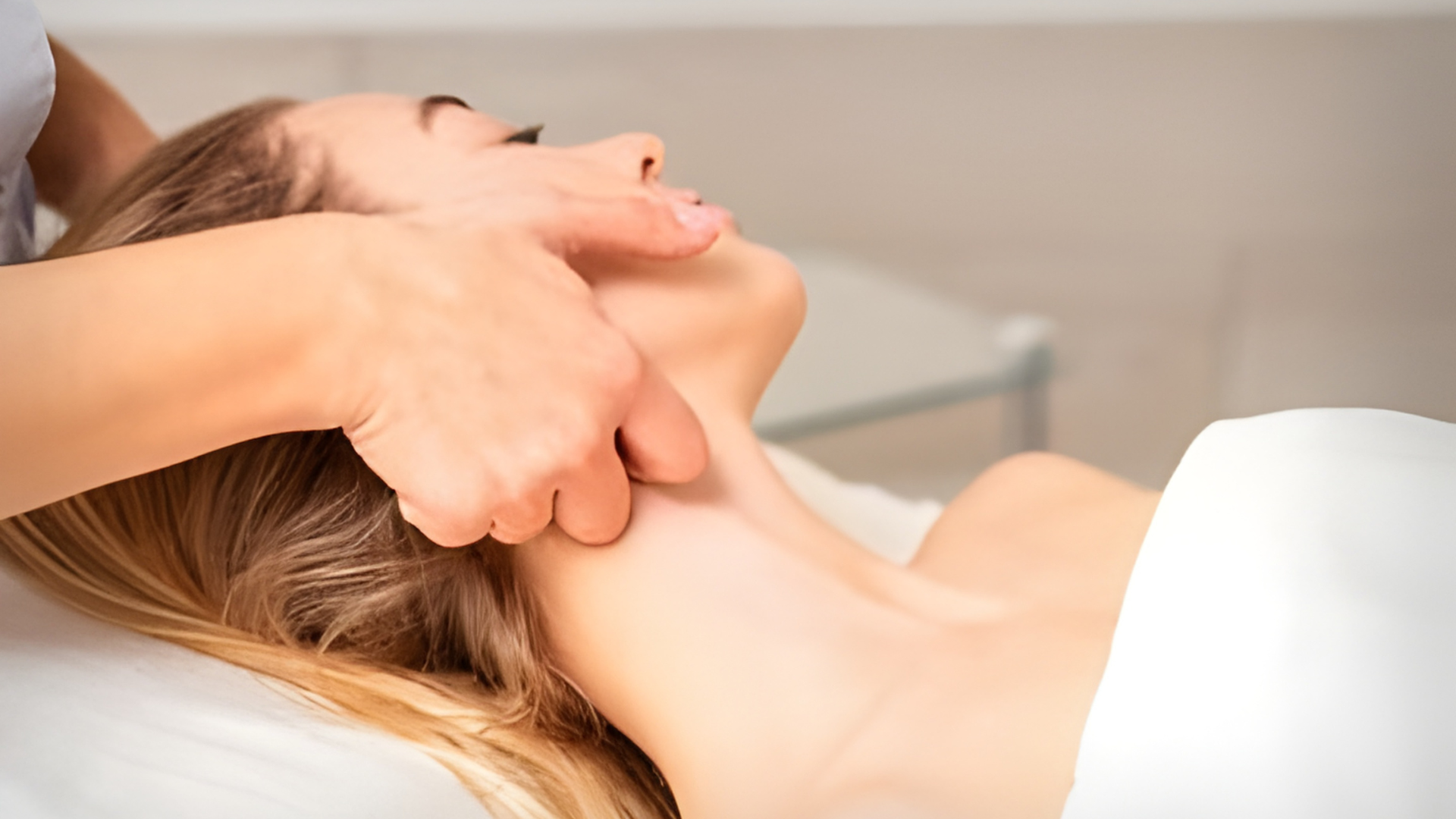
Manual lymphatic drainage is designed to support your body’s natural fluid balance while offering a gentle, calming experience. For many people it can help tissues feel lighter, more comfortable and less restricted.
- Reduced swelling and fluid retention
- Improved comfort and movement
- Enhanced sense of wellbeing and relaxation
- Support alongside lymphoedema care plans
What does Manual Lymphatic Drainage feel like?
Manual lymphatic drainage feels very different from deep-tissue or remedial massage. Touch is much lighter, rhythmic and repetitive, with the focus on supporting lymph flow rather than working directly into muscle.
MLD is always performed directly on the skin, and the massage includes the abdominals, diaphragm and lower ribs. You will keep your underwear on at all times and be draped for privacy and warmth.
Before your Manual Lymphatic Drainage session
- ☕ Try to avoid heavy meals or lots of caffeine in the hours before your session.
- 💧 Drink some water beforehand so you arrive comfortably hydrated (but not uncomfortably full).
- ⚕️ If you feel unwell, have a fever, an active infection, recent surgery (within the last six weeks) or a known blood clot, please get in touch so we can review or reschedule your appointment.
- ❤️ If you are having cancer treatment or have a heart condition, please check with your doctor first, as MLD is not always suitable in every situation.
After your Manual Lymphatic Drainage session
- 💧 Stay hydrated: drinking water supports circulation and recovery and is especially helpful after MLD.
- 🚶 Gentle movement: short walks or light stretches can help maintain lymph flow and keep your body feeling comfortable.
- 🔥 Do not overtax your body: avoid strenuous exercise or strong heat (such as saunas or hot tubs) for around 24 hours after treatment.
- 😴 Give yourself time to rest: if you feel tired or a little off, rest and fluids usually help these sensations pass quickly.
Manual Lymphatic Drainage (MLD) — common questions
MLD can feel very different to other kinds of massage. These questions cover what most people want to know before they book a session.
Ready to book Manual Lymphatic Drainage in Bristol?
If you would like gentle, restorative support for swelling, recovery or lymphoedema management, Manual Lymphatic Drainage offers a light, calming way to help your body feel more balanced. A 60-minute session includes time to talk through your history, tailor the treatment and consider how MLD can sit alongside your wider care or rehabilitation plan.