Supporting digestion, breathing and overall wellbeing.
Visceral massage is a gentle, hands-on approach focused on the soft tissues and organs of the abdomen and chest – including the large intestines and diaphragm – to ease tension, support natural movement and help your body feel more comfortable from the inside out.
Sessions are calm, considered and fully adapted to you, with time to ask questions, pause and work at a pace that feels manageable.
Gentle abdominal work for
digestion,
breathing and comfort
Visceral massage encourages subtle mobility in the tissues of the ribs, diaphragm and large intestine to allow them to glide and expand as you breathe, move, and digest.
Sessions are performed directly on the skin using calm, precise movements and light to moderate pressure through the abdominal wall, intercostals, and under the edge of the ribcage into the diaphragm.
How visceral massage may support you
Gentle work with the tissues around your organs, diaphragm and abdominal wall can ease restriction, support more comfortable movement and offer a deep sense of regulation for your nervous system.
Improved digestive comfort
Gentle abdominal work supports normal movement in the intestines and digestive flow, which may help ease constipation, abdominal discomfort, bloating, or slow digestion.
Easier, more spacious breathing
Working around the diaphragm and ribcage can free up tension, allowing smoother, more comfortable breaths and a greater sense of space through the chest.
Reduced tension and stress
Many people notice a calming effect and clearer body awareness after treatment, helping to soften the “held” feeling that can build up with stress, pain or long-term guarding.
Enhanced overall mobility
By easing restrictions through the torso and abdomen, visceral work can support more comfortable movement, posture and flexibility in day-to-day life and speed recovery post-surgery.
Gentle, rhythmic and deeply calming
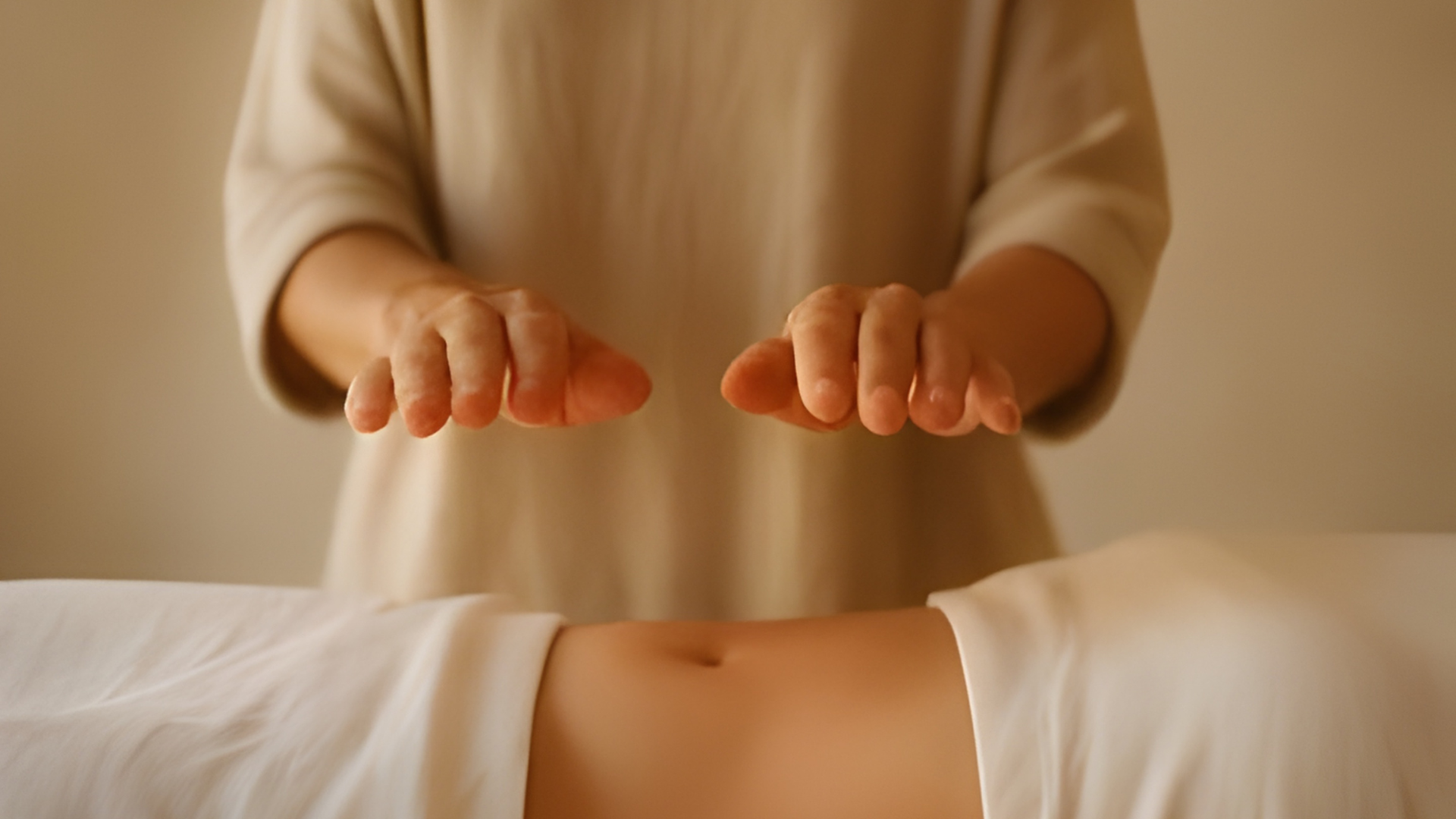
Visceral massage is usually gentle, rhythmic and slow, with light to medium pressure and small, sustained movements around your abdomen and lower ribs.
- Gentle release
- Deep relaxation
- Occasional sensitivity
Supporting both structure and the nervous system
Visceral massage works with the fascial and soft-tissue connections around your organs, diaphragm and abdominal wall, while also calming the nervous system.
Simple steps to help you feel comfortable
- ☕ Avoid large meals or lots of caffeine immediately before your session.
- 👕 Wear comfortable clothing. Your abdomen will be uncovered, but draping is used for warmth and privacy.
- 🎨 Darker fabrics are safest in case a little massage wax transfers to clothing.
- 🩺 Share any recent abdominal surgery or active digestive conditions before we begin.
Giving your body time to respond
- 💧 Drink water to support circulation and tissue recovery.
- 🚶 Choose gentle movement like walking or light stretching to help integrate the work.
- 😴 You may feel deeply relaxed or sleepy afterwards — this is a normal response.
- 🔍 Some clients notice increased digestive activity such as gurgling, warmth, or some urgency in their next bowel movement after treatment. This is normal and usually settles quickly.
Frequently asked about visceral massage
It is completely normal to be unsure whether this approach is right for you. These answers cover some of the most common questions people bring.